

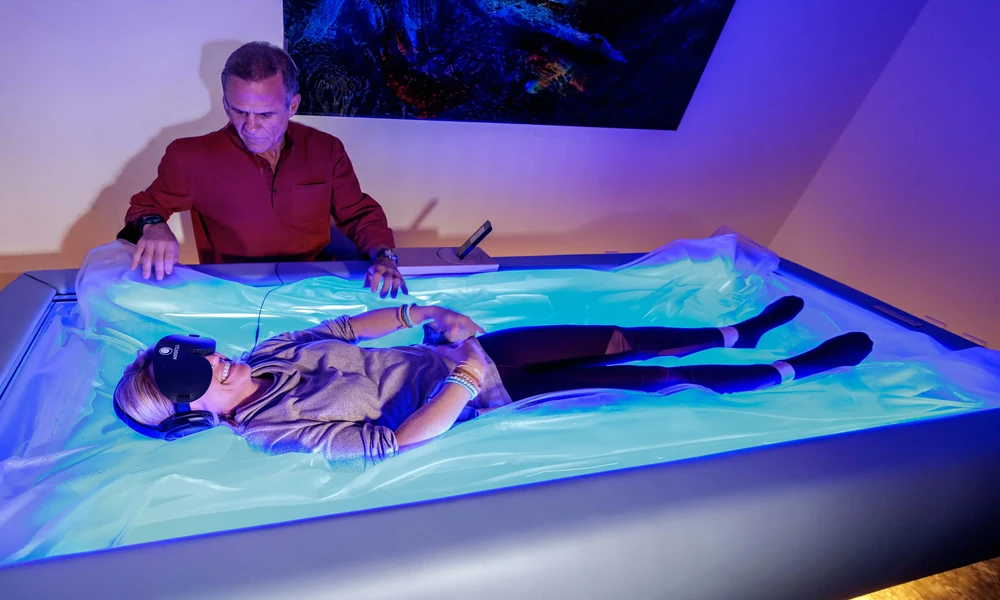
Flotation therapy can sound mysterious until it is compared through ordinary appointment details. A comparison mindset asks how the room is designed, how private the session feels, how long the visit takes, and whether the format suits the reader’s comfort level. Those criteria are more useful than broad claims.
Room design is the first comparison point
Some people hesitate around flotation because they imagine a closed pod. Others want a dark, quiet room and minimal interruption. The right page should clarify the physical setup so the reader can decide before booking.
Sante’s flotation page describes an open-concept glass tank in a private room, with a session duration that includes shower time. That makes the open-concept flotation therapy room a useful reference point for readers who are comparing comfort and privacy rather than just price.
Salt type and water feel matter for expectations
The page also notes pink Himalayan salt rather than the Epsom salt many people associate with float tanks. A reader does not need to treat that as a superiority claim. It is enough to recognize it as a material difference that may affect the way the service is described and experienced.
When a service page gives those details, readers can ask more precise questions by phone or at booking. That is the practical value of comparison content.
Use a light rubric without turning it into a score
- Comfort: Does the room design match the person’s tolerance for quiet and enclosure?
- Timing: Is the full visit realistic once showering and changing are included?
- Privacy: Does the page explain whether the room is shared, private, solo, or suitable for two?
- Expectation: Is the reader looking for stillness, novelty, or a longer reset?
For a reader who wants stillness without a private water-based room, the Sante salt cave page is a useful alternate path. It keeps the comparison focused on setting, privacy, and comfort.
Choose the service for the right reason
Flotation is a poor fit when someone wants conversation, movement, or a very short appointment. It can be a better fit when the reader wants quiet, reduced stimulation, and a defined block of time away from normal noise. That is a practical comparison, not a promise of a guaranteed result.
Why privacy details change the decision
Privacy is one of the biggest variables in flotation therapy. A reader who likes the idea of quiet may still have questions about the room, shower, lighting, and whether the tank feels open or enclosed. Those questions are normal and should be answered before booking.
The open-concept detail matters because it gives hesitant readers a more concrete mental picture. It does not guarantee that every person will like flotation, but it helps them compare the experience with massage, sauna, or salt cave time more fairly.
Another privacy question is whether the session is solo or shared. Some people may find a two-person float option useful for a partner visit, while others want the room entirely to themselves. The page can start that conversation, but the booking call should confirm it.
When privacy is understood, the rest of the decision becomes more honest. A reader can choose flotation because the setting sounds appealing, or choose another service because a different kind of quiet would suit them better.
A comparison article should also acknowledge that flotation is not automatically the quietest choice for everyone. A private room can feel peaceful to one person and too still to another. The value of the comparison is that it lets readers choose based on temperament, not trend.
After the first session, a reader can evaluate whether the format matched their expectations. That evaluation may lead them back to flotation, toward a different room setup, or toward massage, salt cave, or sauna time instead.
A comparison mindset makes flotation therapy easier to judge. Once the reader understands room design, timing, and privacy, the question becomes simple: would this setting help the day feel quieter, or would another spa service fit better?
